

Key Summary
- An open cell wetsuit offers excellent thermal protection, making it popular for freediving and spearfishing in Cape Town.
- Its unlined neoprene interior grips the skin, which makes putting it on dry difficult.
- A suitable wetsuit lubricant reduces friction and makes dressing more comfortable.
- Soap and conditioner are common alternatives, but their ingredients and suitability vary.
- SLICK is a powdered wetsuit lubricant developed for open-cell wetsuits, with a convenient mix-as-needed format.
- Correct lubrication and careful handling help protect the delicate interior of your wetsuit.

Why Does an Open Cell Wetsuit Need Lubricant?
An open cell wetsuit is a popular choice for freediving and spearfishing in Cape Town, where cold water demands effective thermal protection. However, many first-time buyers discover something unexpected when putting on their new suit: the neoprene grips their skin.
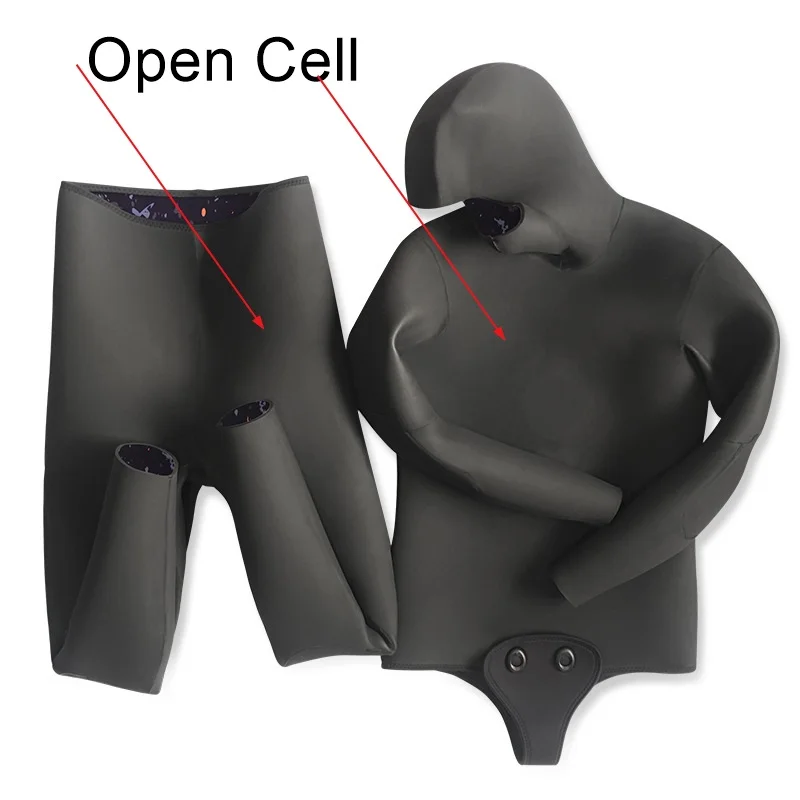
Unlike a conventional wetsuit with a fabric-lined interior, an open-cell wetsuit has exposed, unlined neoprene against the body. This surface provides a close fit and helps limit water movement inside the suit.
The disadvantage is friction. As the material contacts dry skin, it becomes difficult to slide the suit into position.
Consequently, most open-cell wetsuits require lubrication before dressing.
Understanding how to lubricate your wetsuit properly makes preparation easier. It also helps prevent unnecessary damage to the neoprene.
What Makes Open-Cell Neoprene Different?
Wetsuit neoprene contains numerous small gas-filled cells that provide insulation and buoyancy.
In an open-cell wetsuit, the inner neoprene surface is cut without an additional fabric lining. The exposed surface feels slightly tacky against the skin.
This close contact is one reason open-cell designs are popular among cold-water divers.
A properly fitted suit limits the circulation of cold water between the skin and neoprene. Therefore, your body spends less energy continually warming incoming water.
However, the same material that helps create a close seal also makes dressing more difficult.
Trying to pull an unlubricated suit over your arms or legs can place considerable stress on the material. Fingernails may also tear the exposed neoprene.
For this reason, lubrication is a normal part of preparing for an open-cell dive.
How Does Wetsuit Lubricant Work?
Wetsuit lubricant creates a slippery layer between the skin and the neoprene.
Instead of dragging against your body, the material slides into position with substantially less resistance.
This offers several practical benefits:
- Less pulling and stretching during dressing.
- Reduced friction against the skin.
- Easier adjustment around the shoulders and hips.
- Less chance of damaging the unlined neoprene through excessive force.
- A more comfortable dressing process before entering the water.
Lubrication is especially useful when putting on a two-piece wetsuit.
For example, the trousers must slide over the legs and hips without bunching. Similarly, the jacket needs to move smoothly over the arms and shoulders.
If the neoprene catches repeatedly, getting dressed becomes frustrating.
However, an appropriately lubricated suit should slide on with gentle, controlled movements.

Why Open-Cell Wetsuits Are Popular in Cape Town
Cape Town offers excellent opportunities for freediving and spearfishing. However, its water temperatures can surprise divers who are unfamiliar with local conditions.
Along the Atlantic Seaboard, summer south-easterly winds frequently drive cold-water upwelling.
Consequently, the water may become particularly cold during periods when underwater visibility improves.
False Bay experiences different conditions. Its western shoreline often benefits from winter westerly and north-westerly winds, although local visibility varies considerably.
Water temperatures also change with location, season and recent weather.
For many local divers, a 5 mm open cell wetsuit provides a useful balance of warmth and flexibility.
Some divers require thicker protection during especially cold conditions. Others prefer a 3 mm suit for warmer water or shorter sessions.
Nevertheless, the same dressing principle applies across different thicknesses: an unlined open-cell interior usually needs lubrication.

Why Warmth Matters for Freediving
Cold water can make it harder to relax and remain comfortable.
In turn, discomfort may affect concentration, breathing preparation and enjoyment.
However, a warmer wetsuit must never become an excuse to extend breath-holds beyond safe limits.
Always freedive with a trained, attentive buddy who can provide immediate assistance. Never practise breath-holding alone.
Can You Use Soap or Conditioner as Wetsuit Lubricant?
Many divers use diluted shampoo, conditioner or liquid soap when putting on their wetsuits.
These products can reduce friction, but their ingredients vary considerably.
Some contain fragrances, preservatives, detergents or other additives that may irritate sensitive skin. Furthermore, a product marketed as natural is not automatically suitable for marine environments.
A few practical considerations are worth remembering.
Soap and shampoo: These may provide useful slip when diluted. However, some formulations can feel drying or irritating after prolonged skin contact.
Hair conditioner: Conditioner can create a slippery mixture. Nevertheless, formulations differ, and some leave residues on the wetsuit.
Dedicated wetsuit lubricant: A purpose-made product offers a more consistent approach to preparing an open-cell suit.
Whichever option you choose, follow the manufacturer’s instructions and check compatibility with your wetsuit.
Avoid products containing ingredients that the wetsuit manufacturer specifically discourages.
Introducing SLICK: A Powdered Open-Cell Wetsuit Lubricant
At Cape Town Dive Centre, we developed SLICK Wetsuit Lube as a practical alternative to carrying premixed lubricant.
SLICK comes as a concentrated powder rather than a ready-to-use liquid.
This allows divers to carry a compact container and prepare their lubricant when needed.
According to the current SLICK packaging, the mixing instructions are straightforward:
Mix one teaspoon of SLICK with one litre of warm water, then shake well.
The product is supplied in a reusable 200 g container, with a labelled yield of approximately 40 litres.
Therefore, one container can provide multiple batches of lubricant without transporting large quantities of premixed liquid.
SLICK is intended for putting on open-cell wetsuits, including those used for spearfishing and freediving.
it emphasises plant-derived ingredients and environmental considerations.

How to Lubricate an Open Cell Wetsuit
Preparing your wetsuit correctly takes only a few minutes.
Step 1: Prepare Your Lubricant
Start with a clean bottle that can hold approximately one litre.
Add warm water, then measure the recommended amount of lubricant.
For SLICK, use one teaspoon per litre, following the product label.
Close the bottle and shake thoroughly to disperse the powder.
Allow the mixture to hydrate as needed until it reaches a suitable consistency.
Step 2: Lubricate the Inside of the Trousers
Turn the wetsuit trousers partially inside out or open them sufficiently to reach the interior.
Pour some lubricant inside and distribute it across the neoprene.
Pay particular attention to the lower legs, knees and hips.
These areas experience considerable friction while dressing.
Step 3: Put On the Trousers
Slide your feet carefully into the trouser legs.
Work the material upwards without pulling aggressively.
Use the flats of your fingers rather than your fingernails.
Additionally, avoid forcing the neoprene over your heels or knees.
Step 4: Lubricate the Jacket
Distribute lubricant inside the sleeves and torso.
Slide your arms through gently, then position the jacket correctly.
Take extra care around the shoulders, hood and neck seals.
Step 5: Check the Fit
Once dressed, make sure the suit sits comfortably against the skin.
Look for folded material, excessive tension or gaps that could allow water flushing.
If necessary, adjust the neoprene gently.
A properly fitted wetsuit should feel snug without restricting normal breathing or movement.
Common Mistakes When Putting On an Open-Cell Wetsuit
One common mistake is using too little lubricant.
When the suit starts gripping the skin, some divers simply pull harder. Unfortunately, this increases the risk of damaging the interior.
Another mistake is using sharp fingernails to lift or stretch the neoprene.
Instead, guide the material with open hands and deliberate movements.
Also avoid standing on abrasive rocks while dressing.
A towel, changing mat or other clean surface helps protect your wetsuit from unnecessary damage.
Finally, remember that lubricant is not a substitute for correct sizing.
If a wetsuit is extremely difficult to put on despite proper lubrication, the fit may need reassessment.
Caring for Your Wetsuit After Diving
Saltwater, sand and lubricant residue can accumulate inside your wetsuit.
After diving, rinse the suit thoroughly with fresh water.
Pay attention to the interior seams, hood and areas around the wrists and ankles.
Then allow it to dry in a shaded, well-ventilated area, following the manufacturer’s instructions.
Avoid prolonged exposure to direct sunlight and unnecessary heat.
Proper cleaning and storage help preserve the neoprene and reduce unwanted odours.
Choosing the Right Lubricant for Your Wetsuit
A suitable wetsuit lubricant should reduce friction without making preparation complicated.
For regular divers, convenience also matters.
Powdered products such as SLICK allow you to prepare only the amount needed for a particular dive.
This can be useful when travelling, shore diving or packing equipment for a boat trip.
Meanwhile, a reusable container offers a practical alternative to repeatedly purchasing ready-mixed bottles.
However, skin compatibility and ingredient transparency remain important when selecting any lubricant.
Conclusion
An open cell wetsuit offers valuable thermal protection for Cape Town freediving and spearfishing. However, its exposed neoprene interior requires careful handling.
A suitable lubricant makes dressing easier, reduces friction and helps protect the material.
Additionally, correct technique, careful fitting and regular rinsing all contribute to wetsuit longevity.
If you regularly dive in an open-cell suit, a dedicated lubricant can become one of the most useful items in your gear bag.
At Cape Town Dive Centre, SLICK offers a compact, mix-as-needed option for preparing your wetsuit before a dive.
Explore our open-cell wetsuits and SLICK Wetsuit Lube to find a combination that suits your diving routine.
