
Key Summary
- Cape Town water is cold, variable, and demands proper exposure protection.
- A 5 mm spearfishing wetsuit is the most practical choice for most conditions.
- A 3 mm wetsuit is used in warmer or shallow summer dives.
- Open cell wetsuits offer warmth and flexibility, while double nylon suits offer durability.
- Kelp forests, surge, and rocky entries all influence your wetsuit choice.
- Choosing the right wetsuit improves comfort, bottom time, and safety.
Overview
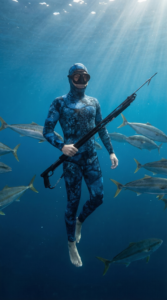
Choosing the right spearfishing wetsuit Cape Town divers can rely on is one of the most important gear decisions you will make. The water around Cape Town is cold for most of the year, and conditions change quickly between the Atlantic Seaboard and False Bay.
In our experience, many divers underestimate how quickly they lose heat in local waters. As a result, they shorten their dives or cut sessions early. A properly selected wetsuit, especially a 5 mm spearfishing wetsuit, solves this problem and allows you to stay in the water longer and dive more effectively.
Water Conditions in Cape Town
Cape Town offers two very different diving environments. Therefore, your wetsuit must handle both.
Atlantic Seaboard
- Water is colder, often between 9 and 13 degrees
- A south-easterly wind usually cleans the water
- Visibility can improve quickly, but temperature drops
False Bay
- Slightly warmer, typically 12 to 18 degrees
- A north-westerly or westerly wind clears the water
- Conditions are often more stable, especially further into the bay
However, both sides share one thing. The water is cold enough to require proper insulation. Even in summer, long dives will expose poor wetsuit choices quickly.
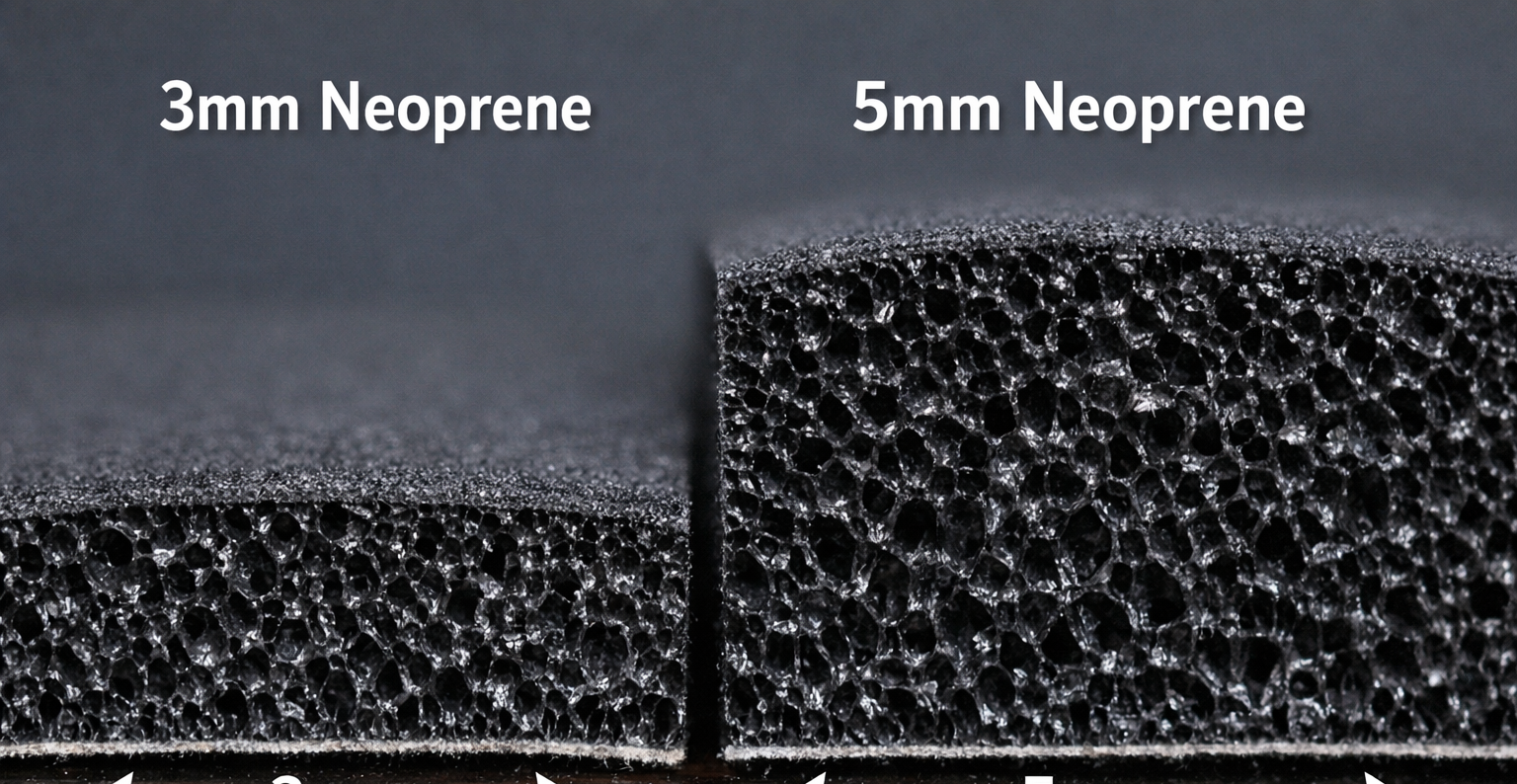
Wetsuit Thickness, 3 mm vs 5 mm
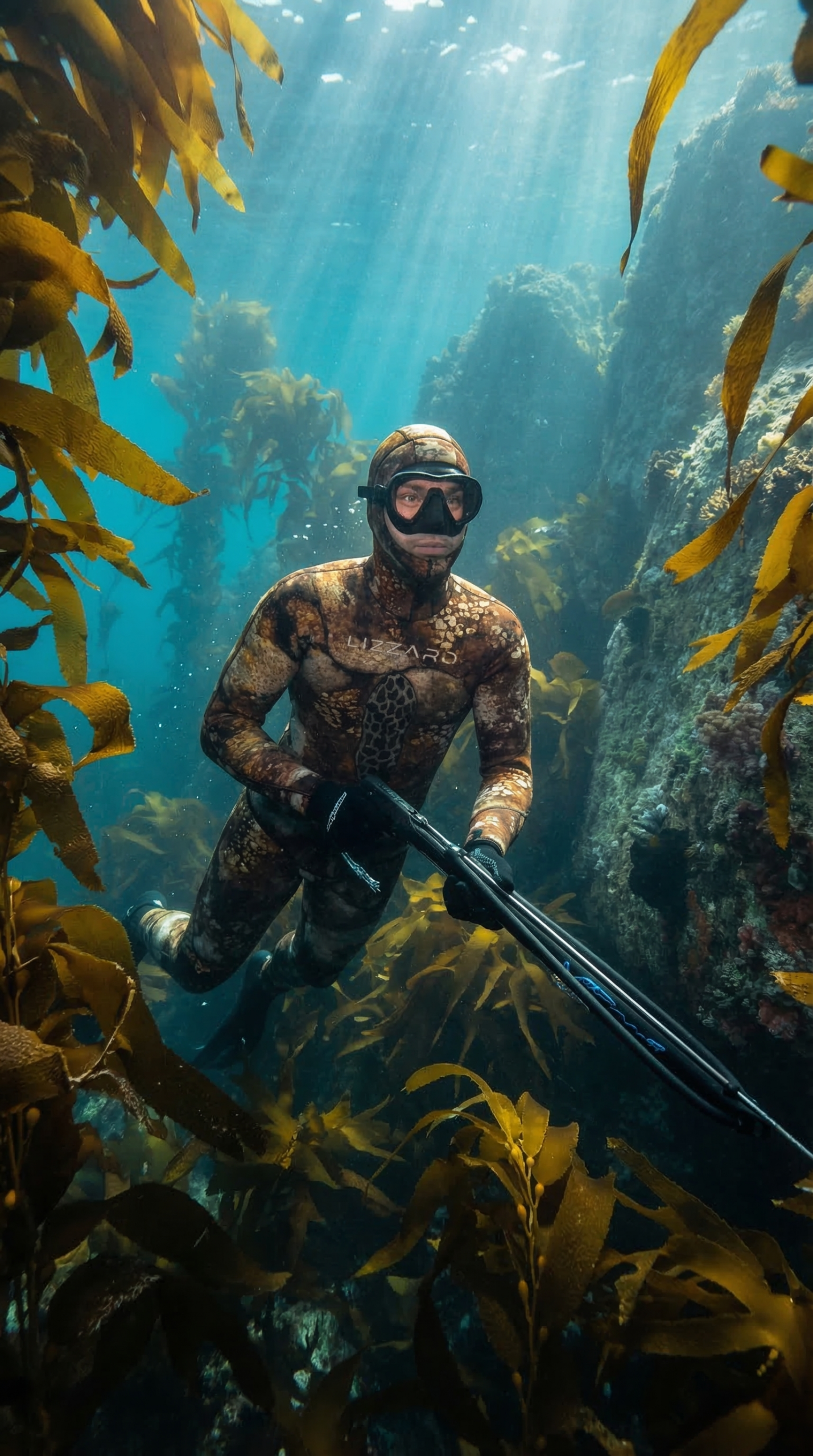
This is where most divers make mistakes. They either go too thin or try to compromise.
5 mm Spearfishing Wetsuit (Recommended)
A 5 mm spearfishing wetsuit is the standard for Cape Town. It works across most conditions and dive sites.
- Keeps you warm during long sessions
- Handles cold Atlantic dives comfortably
- Suitable for deeper dives where thermoclines hit
- Ideal for winter and most of the year
In addition, a 5 mm suit allows you to stay relaxed. This directly improves your breath-hold and overall dive performance.
3 mm Wetsuit (Limited Use)
A 3 mm wetsuit South Africa divers use has a place, but more in the warmer water up the coast
- Works in warmer Arniston waters or further up the coast
- Suitable for short sessions or shallow training in colder water
- Ideal for Natal diving
However, many divers regret going too thin. Once you get cold, your dive is effectively over.
Open Cell vs Double Nylon Wetsuits
Material choice matters just as much as thickness. It affects warmth, comfort, and durability.
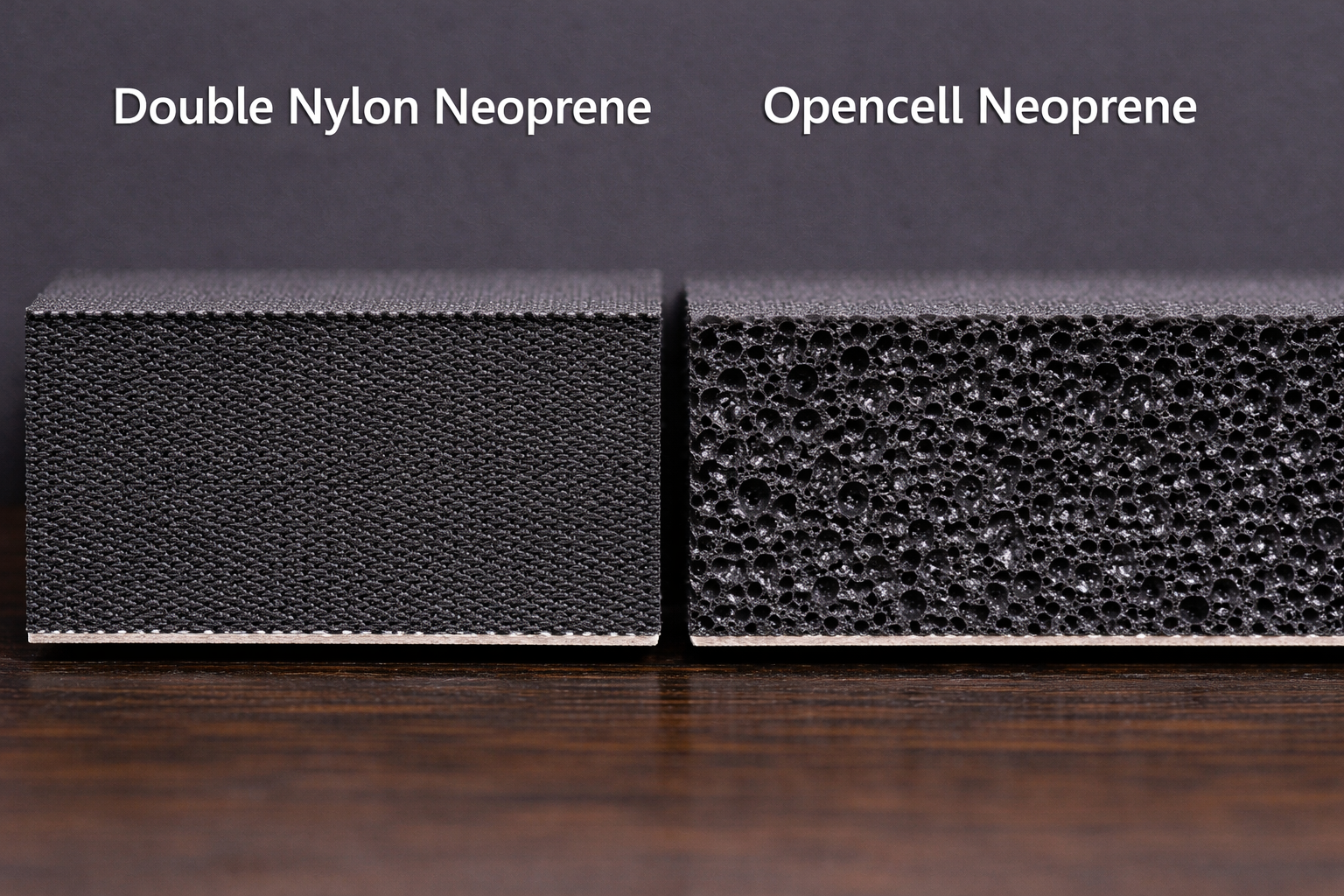
Open Cell Wetsuits
An open cell wetsuit seals directly against your skin. This reduces water movement inside the suit.
- Warmer than nylon suits
- More flexible for freediving
- Better for long spearfishing sessions
However, you need a lubricant like SLICK to put it on. In addition, they require more care.
Double Nylon Wetsuits
Double nylon suits have fabric lining inside and outside.
- More durable for rocky entries
- Easier to put on
- Lower maintenance
However, they are slightly less warm. As a result, you may feel the cold sooner in longer dives.
What Should You Choose?
- For performance and warmth: Open cell
- For durability and convenience: Double nylon
Locally manufactured wetsuits such as the Lizzard range are designed with both options in mind, allowing divers to choose what suits their diving style.
What Spearfishers Need in a Wetsuit 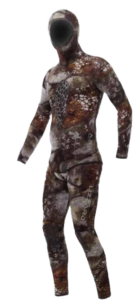
Cape Town spearfishing is not gentle. Your wetsuit needs to handle real conditions.
-
Warmth
Cold water is the biggest limiting factor. Therefore, insulation comes first.
-
Flexibility
You need to move freely while diving and loading your speargun.
-
Durability
Rocky entries, kelp, and reefs will wear your suit down quickly.
-
Fit
A proper fit reduces water flushing and improves warmth.
-
Loading Pad
Essential for spearfishing. It protects your chest and improves loading efficiency.
Kelp Diving and Rocky Reef Considerations
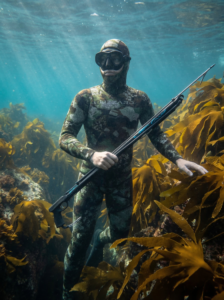
Cape Town diving is heavily influenced by kelp forests and reef structure.
- Thick kelp requires flexibility and comfort
- Rocky entries demand durability
- Surge zones require control and balance
For example, diving along the Atlantic Seaboard often involves entering over slippery rocks. A tougher outer layer helps prevent damage.
Meanwhile, False Bay sites may allow easier entries, but longer dives still require proper insulation.
Choosing the Right Wetsuit for Your Diving
There is no perfect wetsuit for every diver. However, there is a clear best starting point.
If you are spearfishing regularly:
Choose a 5 mm open cell wetsuit
If you are diving casually in summer:
A 3 mm wetsuit can work, but only in specific conditions
If you prioritise durability:
Consider a double nylon wetsuit
If you want performance:
Open cell remains the better option
In our experience, most divers eventually move to a 5 mm open cell suit. It simply performs better in Cape Town conditions.
Practical Advice from Local Diving
Diving along the Atlantic Seaboard quickly teaches you one lesson. Cold water limits everything.
However, once you are properly insulated, everything changes. You relax more, dive longer, and enjoy the session.
Additionally, in False Bay, longer bottom times often lead to better hunting opportunities. This is especially true in kelp forests where fish move through structure.
Gear Integration
For Cape Town diving, your wetsuit works alongside:
- Long blade fins for efficiency
- A properly weighted belt
- A mask with good visibility
- A speargun suited to your environment
However, your wetsuit remains the foundation. If that is wrong, everything else suffers.
Conclusion
Choosing the right spearfishing wetsuit Cape Town divers rely on comes down to understanding local conditions. The water is cold, the environment is demanding, and your gear needs to match that reality.
A 5 mm spearfishing wetsuit remains the best all-round option for Cape Town. It provides warmth, comfort, and consistency across both the Atlantic and False Bay.
Meanwhile, 3 mm wetsuits have a place, but only in limited conditions. Additionally, choosing between open cell and double nylon depends on whether you prioritise performance or durability.
If you are looking for a wetsuit suited to Cape Town conditions, explore our range of Lizzard freediving and spearfishing wetsuits.
